
Thinning vs. Topping: Why We Won’t Top Your Tree
Topping looks tidy for a season, then the tree fights back with weak sprouts and rot. There are better ways to make a tree lighter or smaller.
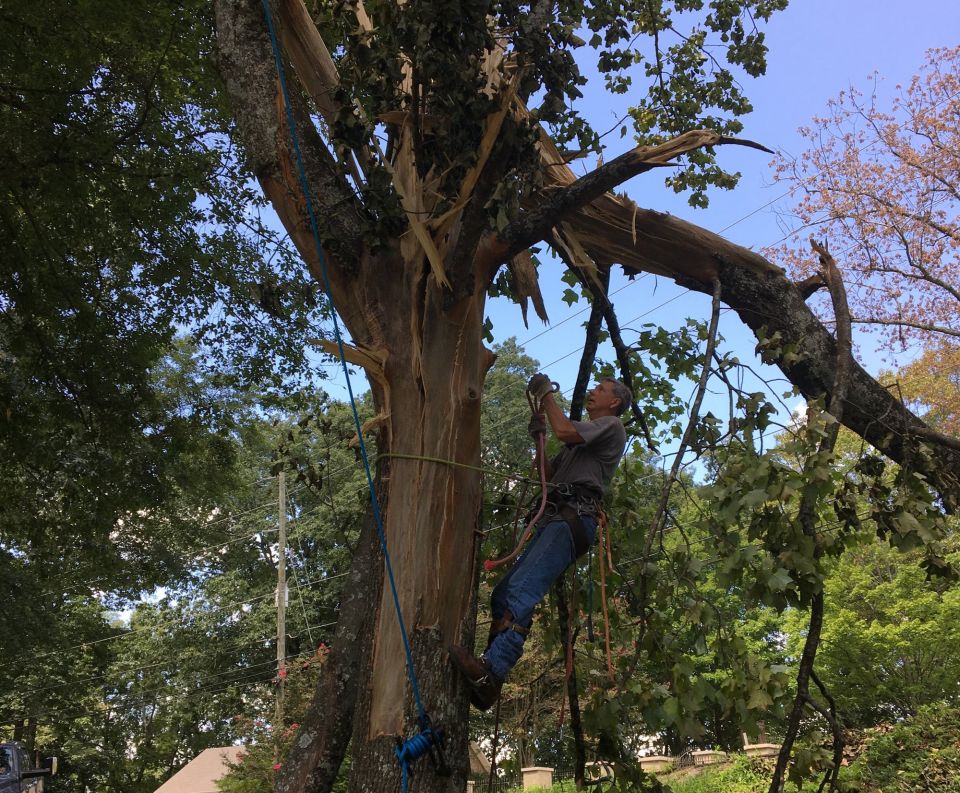
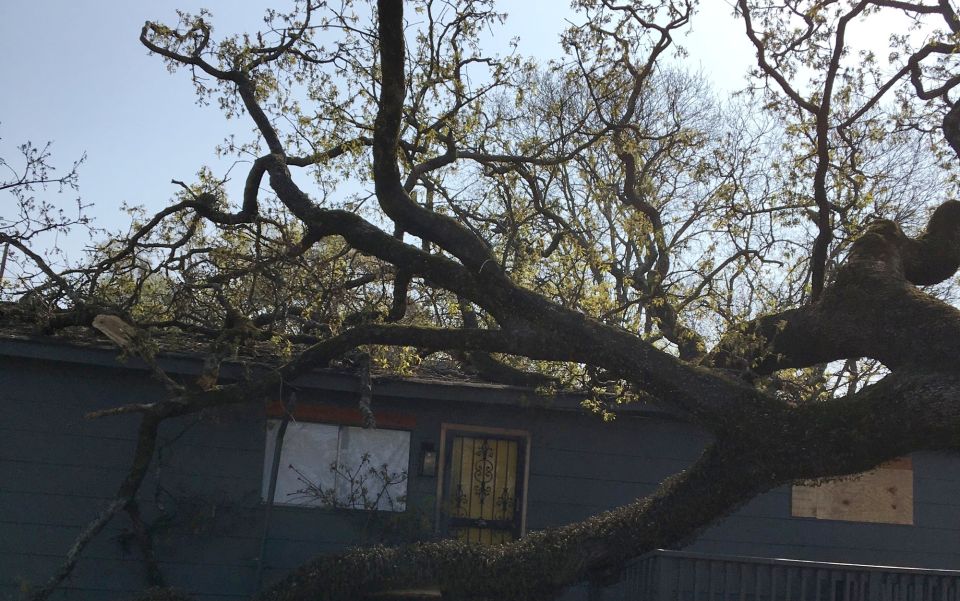
Drive around any Birmingham neighborhood in winter and you will see them: trees cut flat across the top, big limbs ending in stubs, bradford pears and crape myrtles reduced to knobs. That is topping, and it is the most common – and most harmful – thing done to trees around here. We don’t do it. Here is why, and what we do instead.
What topping does to a tree
- It starves the tree. The leaves are the tree’s food factory. Cutting off most of the crown at once leaves it without food, so it burns stored energy to grow new leaves as fast as it can.
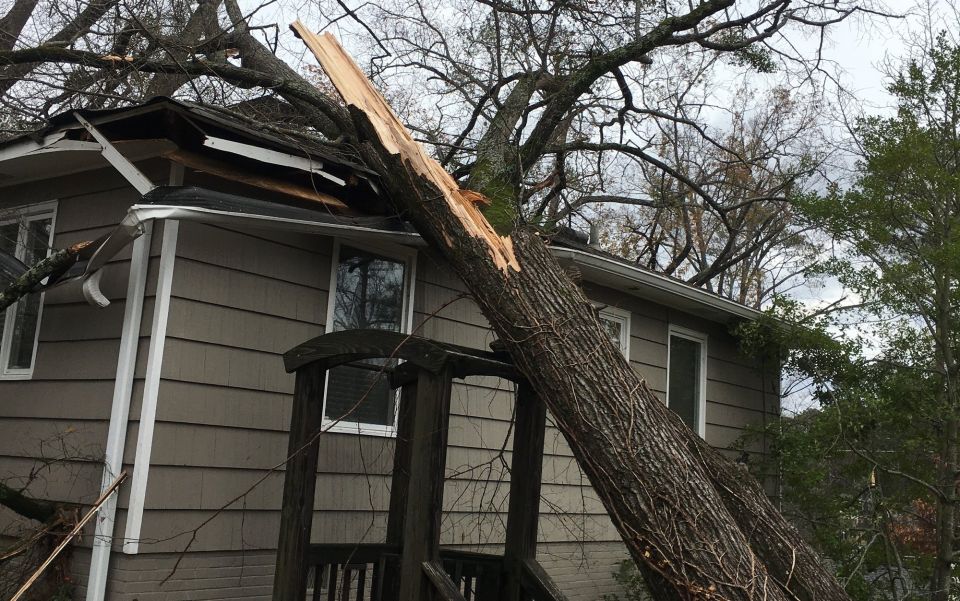
- It creates weak limbs. The new shoots sprout from just below the cut, attached only to the outer layers of wood. In a few years they are big, heavy and poorly anchored – and they break off in storms.
- It lets rot in. A tree can seal a cut made at a branch junction. It can’t seal a big stub in the middle of a limb. Decay moves down into the trunk.
- It costs more over time. A topped tree needs cutting back every few years, forever, and often has to be removed in the end.
Thinning: lighter, not smaller
Crown thinning removes selected branches from inside the crown – dead wood, crossing limbs, some of the crowded inner growth. The tree keeps its size and shape but lets more light and wind through. It takes weight off long limbs, lets grass grow underneath and lowers the strain in a storm. Read more about tree thinning.
Crown reduction: smaller, the right way
When a tree really needs to be smaller – off the roof, out of the service line – the answer is crown reduction. Each limb is cut back to a side branch big enough to take over as the new tip. The cuts are smaller, the tree can seal them, and the crown keeps a natural outline. Read more about crown reduction.
What if the tree is already topped?
A topped tree can often be brought back over a few years: we choose the strongest new sprouts on each stub, remove the rest, and let the chosen ones grow into proper limbs. It takes patience, but it is usually cheaper than removal. If the stubs have rotted badly, removal may be the safer choice – we will tell you which.
Questions about a tree in your yard? Call (205) 871-3617 for a free estimate.